Roblox Lawsuit Update 2026
Roblox litigation in 2026: the child exploitation MDL, state attorney general suits and settlements, and an investor class action tied to age verification.
 Chris Ford6 min read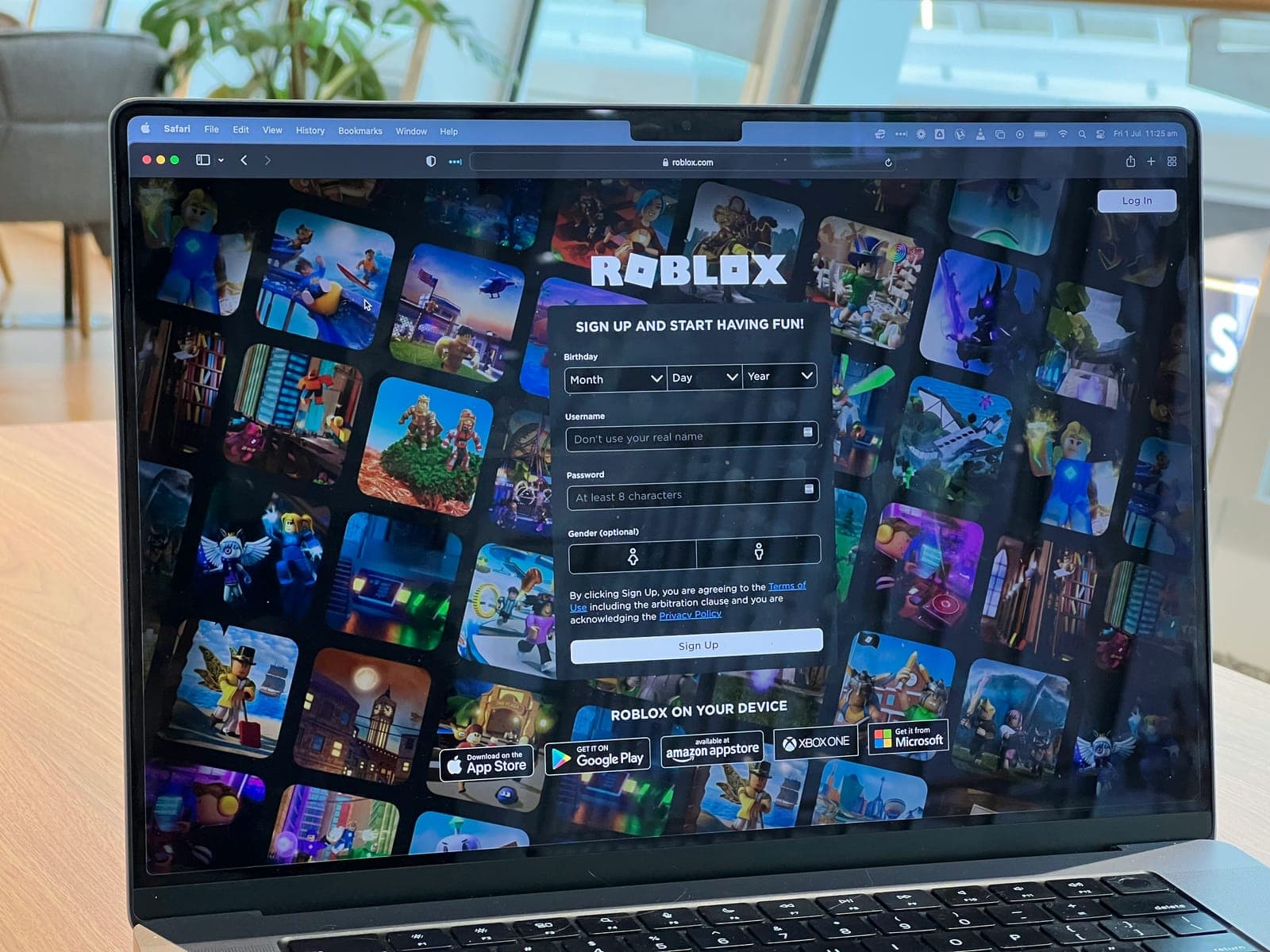
Roblox spent the first half of 2026 fighting on three legal fronts at once, and in an unusual twist, the safety overhaul it rolled out to answer one set of lawsuits helped trigger another. The company now faces a consolidated federal docket of child-exploitation claims from families, a wave of lawsuits and settlements involving state attorneys general, and a securities class action from its own shareholders. Tying all three together is a single business decision: the mandatory age-verification system Roblox launched in early 2026. Here is where each front stands at mid-year. The allegations described below are contested claims in pending litigation, not established facts, and no court has found Roblox liable.
Front one: the federal child-safety MDL
In December 2025, the Judicial Panel on Multidistrict Litigation consolidated the growing body of individual family lawsuits into a single proceeding, In re: Roblox Corporation Child Sexual Exploitation and Assault Litigation (MDL-3166), before Chief U.S. District Judge Richard Seeborg in the Northern District of California. The venue is a natural fit, since Roblox is headquartered in nearby San Mateo. As of July 2026, the docket had grown to more than 160 cases, with new complaints continuing to be transferred in, as the trade outlet Biometric Update reported.
The complaints share a common theory. Plaintiffs allege that predators used Roblox to identify and groom minors, often steering them onto secondary messaging platforms, and that Roblox marketed itself as safe while failing to adopt feasible safeguards. Notably, the MDL is not limited to Roblox. The consolidated cases also name Discord, Snap, and Meta as defendants over their roles in the alleged pattern. All four companies opposed centralization, arguing that the incidents were too factually varied to be handled together, and the panel rejected that argument. Roblox has responded that it has prioritized safety through age-verification technology, chat restrictions for younger users, and other measures. One early battleground is procedural: Roblox is arguing that many of these claims belong in arbitration rather than court.
Front two: the state attorneys general
The second front is a coordinated campaign by state attorneys general, and it has split into two tracks: states that have sued, and states that have settled.
On the litigation track, Louisiana Attorney General Liz Murrill filed the first state suit in August 2025, alleging the platform prioritized growth and revenue over child safety, as Fox News reported. Texas Attorney General Ken Paxton followed with a suit accusing Roblox of ignoring online-safety laws while deceiving parents, according to his office. Nebraska Attorney General Mike Hilgers brought a consumer-protection and child-safety action alleging deceptive safety marketing, and in May 2026 Oklahoma Attorney General Gentner Drummond filed his own suit, noting the company's own figures that two-thirds of American children aged 9 to 12 use the platform.
On the settlement track, Roblox has been resolving state claims in exchange for cash and binding safety commitments. By late April, Bloomberg reported that settlements with West Virginia, Alabama, and Nevada totaled $35.8 million, with a portion earmarked for child-safety education. West Virginia Attorney General JB McCuskey announced an $11 million deal requiring mandatory age verification, restricted adult-to-child chat, and default safe-content settings for users under 16. Forbes reported that Alabama's settlement reached $12.2 million and Nevada's roughly $12 million, both conditioned on facial age estimation and government-ID checks. The settlements have kept coming since. Mississippi Attorney General Lynn Fitch reached an agreement in June that included $9 million for digital-literacy education plus $5 million in liquidated damages to enforce compliance, and on July 13, South Dakota Attorney General Marty Jackley announced a settlement worth nearly $10 million that likewise mandates age verification, expanded parental controls, and unencrypted minor communications so law enforcement can trace exploitation networks.
The upshot is a patchwork. Some states have accepted money and enforceable safety terms, while others, including Texas, Florida, Louisiana, Tennessee, Iowa, and Oklahoma, were still litigating as of mid-year.
Front three: the securities class action
The third front is the one Roblox arguably created for itself. To respond to the safety pressure, Roblox made age verification mandatory to access chat features, rolling the requirement out globally beginning in early 2026. Roblox became the first major gaming platform to require facial age checks for users of all ages, as PC Gamer reported, using facial age estimation from the vendor Persona to sort users into age bands and limit cross-age contact. Management publicly described the rollout as a future "gold standard" that would arrive with "no friction."
It did not arrive without friction. In its Q1 2026 report on April 30, 2026, Roblox disclosed a sharp sequential decline in daily active users and slashed its full-year bookings growth guidance from a range of 22 to 26 percent down to 8 to 12 percent, tying the slowdown directly to the age-check rollout. The market reaction was severe. Investment-research outlet TipRanks reported that RBLX shares fell about 18 percent the next trading day, closing near $45, a one-day drop that erased roughly $6.7 billion in market value. Shareholders then sued, alleging Roblox misled investors about how much the verification process would disrupt engagement, organic sign-ups, and app-store ratings. The class period runs from late October 2025 through April 30, 2026, and the lead-plaintiff deadline falls in early August 2026, per the securities filings. In other words, the same safety mechanism that state attorneys general demanded as the price of settlement is now the factual core of a fraud claim by investors.
The through-line: age verification is the whole story
Step back, and every front connects to the same policy. The family MDL alleges Roblox adopted real safeguards too late. The state settlements make specific age-verification and chat-restriction commitments the centerpiece of the deals. And the securities suit alleges Roblox understated the business cost of implementing exactly those safeguards. The system relies on Persona's facial age estimation, which as Biometric Update noted has itself drawn scrutiny in connection with other platforms, and Roblox has since introduced age-tiered account types for younger users. Whether the technology actually reduces harm, satisfies regulators, and stabilizes the business is the question all three cases orbit.
What to watch in the second half of 2026
Three developments will shape the rest of the year. First, watch the MDL's early rulings, especially the arbitration fight, which could determine how many family claims proceed in federal court at all, along with the selection of bellwether cases. Second, watch whether the remaining state suits follow the settlement template or push toward trial, and whether the running settlement total, already comfortably past $50 million across states, keeps climbing. Third, watch Roblox's Q2 2026 earnings, the first full quarter to capture the age-verification fallout, which will test both the securities plaintiffs' theory and the company's argument that the friction is temporary. A company that spent 2026 trying to litigate its way to "the gold standard for safety" now has to prove that standard works on three very different sets of judges.

Written by
Chris Ford, Founder
As CEO and Founder, Chris Ford is responsible for the vision and strategy of Legalyze.ai's AI app for lawyers.